Welcome to Tangshan Moneide Trading Co., Ltd.





Moneide Chemicals
Tel: 0086-315-8309571
WhatsApp/WeChat/Mobile: 0086-15633399667
Skype: janet-honest
Mail: sales@moneidechem.com
Address: 2-7-523 Jidong Building Materials Commercial Center, Tangshan, Hebei 064000 China
Bismuth Methane Sulfonate | Sustainable Industrial Chemical Solutions
- Time of issue:Nov . 26, 2025 11:30
(Summary description)Tangshan Moneide Trading Co., Ltd. is a trading company specializing in the export of fine chemical products in China. Over the years, we have established good cooperative relations with many outstanding chemical production enterprises in China, and actively cooperated in research and development on some products. Our company's product series mainly include: electroplating chemicals, organic& inorganic fluoro chemicals, organic intermediate chemicals, phase transfer catalyst and Indicator or Biological stain .
- Categories:Company dynamic
- Author:
- Origin:
- Time of issue:2019-12-30 10:55
- Views:
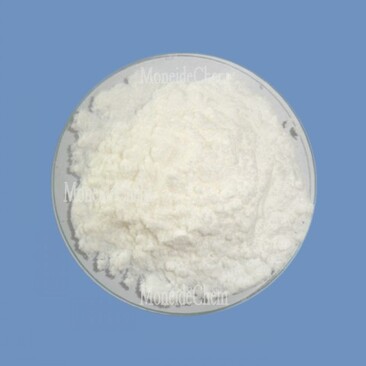
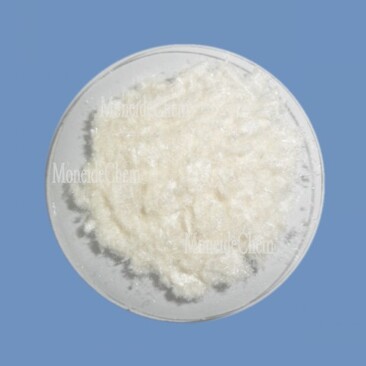
At first glance, bismuth methane sulfonate might sound like a mouthful of chemistry jargon reserved for lab coats and textbooks. But in reality, it’s one of those unsung heroes quietly underpinning a range of industries from pharmaceuticals to environmental tech. Why does it matter globally? Well, in an era increasingly driven by cleaner and safer alternatives, bismuth methane sulfonate offers a unique blend of functionality and environmental friendliness that can’t be easily overlooked. If you’ve ever wondered what this compound actually does and why top chemical suppliers are ramping up production, this article cuts through the noise — giving you a grounded view of its benefits, challenges, and future prospects. Let’s set the stage: global demand for bismuth compounds has been rising steadily, partly due to stricter environmental policies and partly because industries are seeking less toxic, more sustainable materials. According to the Wikipedia page on Bismuth, consumption has increased by roughly 5% annually worldwide, especially in regions focused on green chemistry innovations—Europe, North America, and parts of Asia lead here. One challenge that bismuth methane sulfonate addresses is the need for heavy metal substitutes in paints, catalysts, and pharmaceuticals that are both effective and safer for human health and the environment. The compound fills a gap where lead or other toxic metals were once the default choice — a crucial shift as global industries commit to cleaner manufacturing practices. Mini takeaway: Bismuth methane sulfonate isn’t just a chemical; it’s part of a global push toward safer, more sustainable production, making it highly relevant in today’s eco-conscious markets. In simple terms, bismuth methane sulfonate is a compound where bismuth is coordinated with methane sulfonate ligands. This composition gives it unique solubility, thermal stability, and low toxicity relative to other heavy metal compounds. To imagine it, think of it as a more eco-friendly cousin to traditional metal salts used in catalysis and medicinal chemistry. Industrially, it acts as a catalyst or precursor in synthesizing materials that demand precision and safety. It's also valued for biomedical applications, including antimicrobial formulations where bismuth’s properties shine without the harsh side effects of alternatives. Mini takeaway: Beyond its chemical formula, bismuth methane sulfonate is prized for its balance — effective yet safe — propelling innovations that were historically held back by toxic risks. For industries wrestling with regulations like REACH (Registration, Evaluation, Authorization and Restriction of Chemicals), this compound emerges as a preferred choice. Its reduced toxicity means less environmental cleanup and fewer health risks for workers. One of the reasons it’s favored in catalysis is due to how well it withstands higher temperatures without degrading. This stability translates to more consistent production quality and reduces waste — two big wins in manufacturing. Being soluble in water and some organic solvents allows for flexibility in formulation. Whether you are tweaking paint formulas or developing pharmaceuticals, that versatility simplifies the process. While bismuth isn’t exactly cheap, the compound’s durability and efficiency often reduce the overall cost of the end product by lowering waste and improving performance. Many engineers say the initial outlay is quickly recovered by these efficiencies. Mini takeaway: It’s this combination of eco-friendliness, thermal resilience, and adaptable chemistry that gives bismuth methane sulfonate its edge in multiple sectors. Oddly enough, you’ll find bismuth methane sulfonate making its mark in some unexpected places: Take, for instance, a large-scale paint manufacturer in Germany who switched to bismuth methane sulfonate-based pigments for better compliance and product differentiation. They noted fewer hazardous waste incidents over the course of a year — an outcome both operational managers and local regulators appreciated. If you dissect the benefits, they are both logical and emotional. The logic? Lower toxicity means less regulatory hassle, safer workplace conditions, and fewer environmental fines. The emotional aspect? Products containing it help end-users feel confident about safety and sustainability — increasingly decisive factors in global markets. Cost savings arise from its stability and effectiveness, reducing production downtime and wastage. Socially, it contributes to better occupational health and ecological stewardship. Frankly, it reflects a company’s commitment to innovation and responsibility—qualities customers notice. Innovations never sleep. I’ve noticed a growing trend towards integrating bismuth methane sulfonate with green chemistry approaches, especially using bio-based solvents instead of the traditional organic solvents. Digital transformation also plays a role, with AI-assisted formulation tweaking getting more common — optimizing the compound’s use to an almost forensic precision. Policy-wise, as governments push environmental sustainability, the pressure on manufacturers to adopt these safer alternatives will only increase, making suppliers of bismuth methane sulfonate key stakeholders in a cleaner industrial future. Still, it’s not all sunny. Availability and cost can be tricky for smaller firms, and in some cases, adapting existing processes to this compound requires R&D investment. However, industry experts often point to modular production methods and collaborative supplier relationships as pathways to overcome these hurdles. Bismuth methane sulfonate producers are now offering more customized solutions tailored to client needs, smoothing the transition and cutting down trial and error. A1: Yes, due to its low toxicity and biocompatibility, it’s widely used in various medicinal formulations, especially for gastrointestinal treatments. Regulatory guidelines support its safe inclusion at specified concentrations. A2: While the upfront cost can be higher than some traditional heavy metal salts, its long-term cost efficiency comes from lower waste generation, higher stability, and reduced regulatory burdens, which balance out expenses. A3: Absolutely. One of its primary appeals is environmental compatibility, making it appropriate for applications near sensitive ecosystems or where regulatory oversight is strict. A4: Generally, it remains stable for 2-3 years if stored in tightly sealed containers away from moisture and extreme temperatures. So, while it might not be the flashiest chemical around, bismuth methane sulfonate is quietly revolutionizing safer industrial practices everywhere. It’s eco-conscious yet effective, reliable yet adaptable — a rare combo. For those scouting long-term wins in sustainability and innovation, keeping an eye on bismuth methane sulfonate makes real sense. Curious about how it could fit your next project? Visit https://www.moneidechem.com for more details and customizable solutions.
References:Understanding Bismuth Methane Sulfonate: A Key Compound Shaping Modern Industry
Global Context: Why Bismuth Methane Sulfonate Matters Today
What Exactly Is Bismuth Methane Sulfonate?
Key Characteristics of Bismuth Methane Sulfonate
1. Environmental Compatibility
2. Thermal Stability
3. Solubility and Compatibility
4. Cost Efficiency
Practical Applications Around the World
Advantages and Long-Term Value of Using Bismuth Methane Sulfonate
Product Specifications Table
Specification
Typical Value
Unit
Chemical Formula
Bi(CH3SO3)3
-
Purity
≥ 99%
%
Melting Point
> 300
°C
Water Solubility
Moderate
-
Thermal Stability
High
-
Looking Ahead: Trends and Innovations Involving Bismuth Methane Sulfonate
Challenges and Smarter Solutions
Vendor Comparison Table
Vendor
Purity Range
MOQ
Lead Time
Price ($/kg)
Moneide Chemicals
99 - 99.9%
100 kg
7-10 days
45-50
Global ChemCorp
98 - 99.5%
200 kg
12-15 days
42-48
EcoBismuth Ltd.
99%
150 kg
10 days
47
Frequently Asked Questions About Bismuth Methane Sulfonate
Q1: Is bismuth methane sulfonate safe for pharmaceutical use?
Q2: How does bismuth methane sulfonate compare in cost with other heavy metal salts?
Q3: Can it be used in environmentally sensitive areas?
Q4: What is the usual shelf life of bismuth methane sulfonate when stored properly?
Wrapping It Up: Why Bismuth Methane Sulfonate Is Worth Watching
1. Wikipedia - Bismuth
2. International Organization for Standardization (ISO)
3. United Nations Environment Programme (UNEP)



Moneide Chemicals


