Welcome to Tangshan Moneide Trading Co., Ltd.




Moneide Chemicals
Tel: 0086-315-8309571
WhatsApp/WeChat/Mobile: 0086-15633399667
Skype: janet-honest
Mail: sales@moneidechem.com
Address: 2-7-523 Jidong Building Materials Commercial Center, Tangshan, Hebei 064000 China
Aluminon: The Essential Reagent for Aluminum Detection and Environmental Monitoring
- Time of issue:Dec . 07, 2025 17:16
(Summary description)Tangshan Moneide Trading Co., Ltd. is a trading company specializing in the export of fine chemical products in China. Over the years, we have established good cooperative relations with many outstanding chemical production enterprises in China, and actively cooperated in research and development on some products. Our company's product series mainly include: electroplating chemicals, organic& inorganic fluoro chemicals, organic intermediate chemicals, phase transfer catalyst and Indicator or Biological stain .
- Categories:Company dynamic
- Author:
- Origin:
- Time of issue:2019-12-30 10:55
- Views:
Aluminon might not be a household name, but in the world of industrial chemistry, environmental science, and water treatment, it carries significant weight. Simply put, aluminon is a chemical reagent used predominantly for the detection of aluminum ions in various substances. You might wonder why tracking aluminum levels matters globally—well, aluminum's widespread industrial use combined with its environmental implications makes aluminon a surprisingly important player in ensuring safety and compliance across many sectors. Grasping the function and applications of aluminon unlocks benefits ranging from improving water quality to supporting environmental research and safeguarding public health. So, let’s dive in and uncover the world of aluminon, why it matters today, and how it serves industries worldwide. Aluminum is the third most abundant element in the Earth's crust. Its extensive use spans everything from packaging to construction and electrical components. According to the International Aluminium Institute, global aluminum production exceeds 65 million metric tons annually, illustrating how embedded it is in the modern economy. Yet, aluminum can pose risks if it accumulates beyond safe levels, especially in water resources. The UN-Water reports emphasize water quality as a priority for sustainable development. Aluminon, in that sense, offers a straightforward, cost-effective method to detect aluminum contamination, which can affect aquatic life and human health. Despite advancements in analytical chemistry, many regions—especially in developing countries—still rely on aluminon tests to monitor aluminum pollution quickly and locally. The challenge is balancing heavy industrial aluminum usage with environmental stewardship, and aluminon remains part of the solution. In simplest terms, aluminon is an organic compound used as a dye reagent that reacts with aluminum ions to form a distinctive red or pink complex. This color change provides a visual cue for the presence and concentration of aluminum in samples. It’s a classic example of a complexometric reagent—chemicals that form colored complexes with metal ions. Historically, aluminon has been instrumental in laboratories and fieldwork to verify aluminum levels quickly without expensive instrumentation. Its ease of use makes it highly relevant not only in industrial testing but also in educational settings and environmental surveys. Aluminon reacts specifically with aluminum ions to produce a colored complex, typically pink to red. This sensitivity allows for detection at relatively low concentrations, making it practical for water analysis and soil testing. However, it’s worth noting that certain metal ions like iron and titanium can interfere, so some sample preparation may be needed. Unlike complex spectrometric methods, aluminon tests require minimal equipment and training. This simplicity translates to savings, especially for monitoring sites in remote areas or for rapid on-site testing where sending samples to labs is impractical. From wastewater treatment plants in Europe to mining operations in South America, aluminon’s scope is vast. It finds uses wherever aluminum must be quantified or monitored. The colorimetric nature means results are almost instantaneous and easy to interpret without specialized instruments. This feature facilitates quicker decision-making. Oddly enough, aluminon remains relevant even in highly tech-focused environments simply because of its reliability and ease. First, aluminon is a cost-effective tool—for many organizations, that means keeping budgets manageable. Its ability to provide rapid feedback helps maintain safety and regulatory compliance, which, frankly, saves companies from costly penalties or reputational damage. Furthermore, there’s an emotional and societal dimension: ensuring safe aluminum levels protects ecosystems and public health. For communities near industrial sites, this means less pollution-related illness and more trust in local industries. You could say aluminon quietly supports dignity and safety downstream. Technology won’t stop evolving, and aluminon tests will too. Researchers are working on enhancing the reagent’s selectivity to reduce interference and improve quantification precision. In parallel, integrating aluminon assays with smartphone-based colorimeters is making field testing smarter and more data-driven. More sustainability-focused policies globally might raise aluminium surveillance demands. And with environmental regulations tightening, inexpensive, accurate testing like aluminon’s is likely to gain even more traction. One can also imagine hybrid methods combining aluminon with digital tools for real-time water quality dashboards—sounds promising, right? Aluminon isn’t perfect; it can sometimes react with other metal ions like iron, causing false positives. Also, the color intensity may be affected by pH and sample impurities. To tackle these, proper sample preparation steps such as filtration, adjusting pH, or using masking agents are recommended. For industries needing higher precision, combining aluminon tests with instrumental analysis (like ICP-MS) provides verification and accuracy. On the accessibility front, educating staff on correct test protocols and using reliable quality reagents reduces errors and builds trust in results. Aluminon, despite its century-old roots, remains a valuable chemical tool for aluminum detection worldwide. Its cost-efficiency, simplicity, and visual results provide accessible, reliable monitoring in environmental protection and industrial quality assurance. While there are some technical limitations, thoughtful application and combination with modern technology promise a bright future. If you’re considering aluminon reagents for your projects or environmental monitoring needs, visit Moneide Chemical for high-quality products and expert guidance. Mini takeaway: The humble aluminon test bridges traditional chemistry with modern environmental challenges — proving sometimes simple solutions are the most enduring.
References:Understanding Aluminon: A Critical Chemical Indicator with Global Impact
Global and Industry Context of Aluminon
What Exactly is Aluminon?
Key Factors That Make Aluminon Useful
1. Sensitivity and Specificity
2. Simplicity and Cost Efficiency
3. Versatility in Applications
4. Visual, Immediate Results
Real-World Applications of Aluminon
Advantages and Longer-Term Value of Using Aluminon
Product Specification Table for Aluminon Reagent
Feature
Specification
Chemical Name
Ammonium aurintricarboxylate (Aluminon)
Appearance
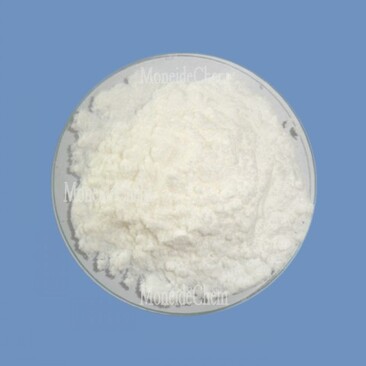
Red crystalline powder
Purity
≥ 98%
Solubility
Soluble in water and alcohol, insoluble in ether
Detection Method
Colorimetric complexation (pink-red color)
Vendor Comparison Table for Aluminon Suppliers
Supplier
Purity
Price (per kg)
Lead Time
Additional Services
Moneide Chemical
≥ 99%
$120
1-2 weeks
Technical support, custom packaging
ChemLabs Inc.
≥ 98%
$115
2-3 weeks
Batch certification
Global Reagents Ltd.
≥ 97%
$130
3-4 weeks
Bulk discounts
Looking Ahead: Future Trends in Aluminon Use
Challenges and Their Solutions
FAQ: Frequently Asked Questions About Aluminon
Conclusion: Why Aluminon Still Matters in 2024 and Beyond
1. Wikipedia: Aluminon
2. UN Water on Water Quality
3. International Aluminium Institute

Moneide Chemicals


