Welcome to Tangshan Moneide Trading Co., Ltd.




Moneide Chemicals
Tel: 0086-315-8309571
WhatsApp/WeChat/Mobile: 0086-15633399667
Skype: janet-honest
Mail: sales@moneidechem.com
Address: 2-7-523 Jidong Building Materials Commercial Center, Tangshan, Hebei 064000 China
2 Hydroxyethyl Acrylate: Versatile Monomer for Industry and Innovation
- Time of issue:Nov . 27, 2025 15:35
(Summary description)Tangshan Moneide Trading Co., Ltd. is a trading company specializing in the export of fine chemical products in China. Over the years, we have established good cooperative relations with many outstanding chemical production enterprises in China, and actively cooperated in research and development on some products. Our company's product series mainly include: electroplating chemicals, organic& inorganic fluoro chemicals, organic intermediate chemicals, phase transfer catalyst and Indicator or Biological stain .
- Categories:Company dynamic
- Author:
- Origin:
- Time of issue:2019-12-30 10:55
- Views:
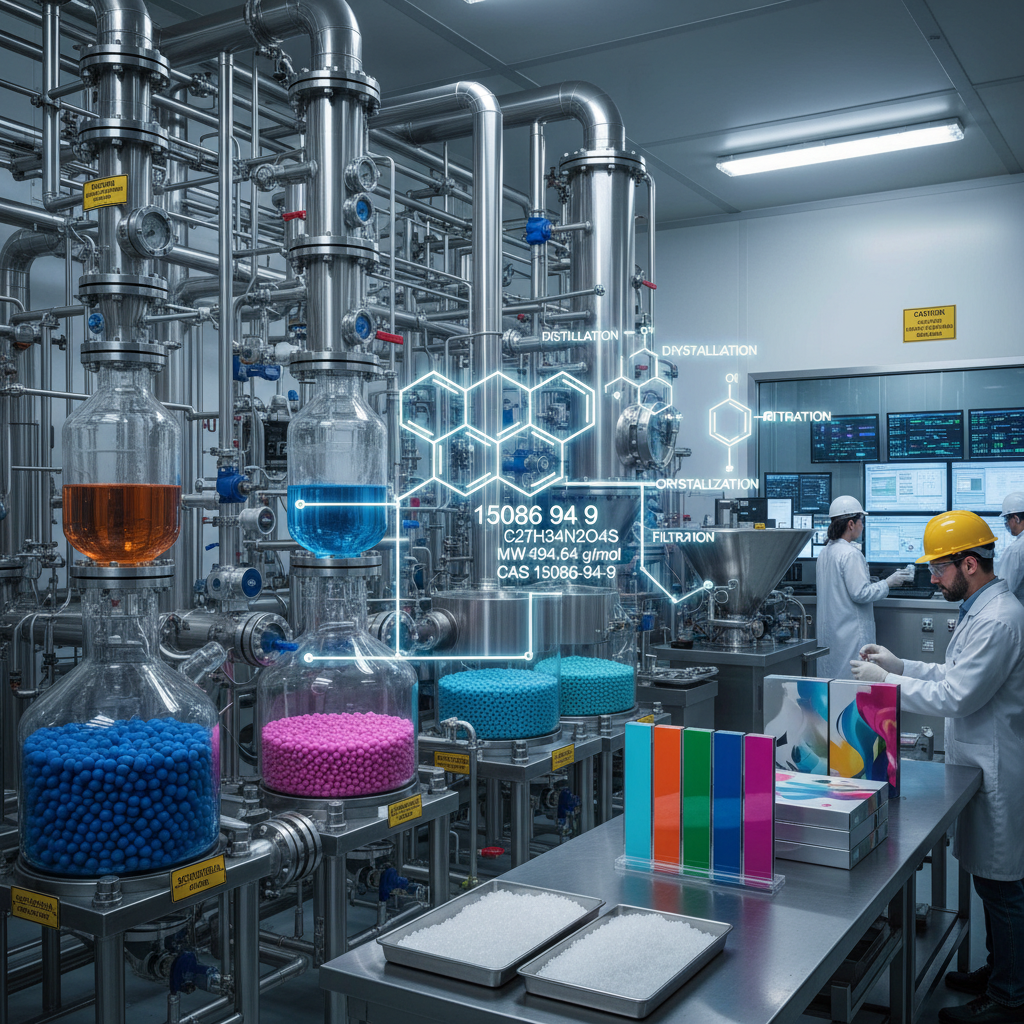
At first glance, 2 hydroxyethyl acrylate might sound like just another chemical name lost in the labyrinth of industrial jargon. Yet, this compound is quietly pivotal across various industries, from coatings and adhesives to advanced polymers that shape the modern world. Knowing what 2 hydroxyethyl acrylate is—and why it matters—can make all the difference for manufacturers, developers, and even policymakers aiming for more sustainable and efficient materials. Globally, the demand for high-performance polymers is rising exponentially, expected to surpass $500 billion by 2027 according to industry data. The role of monomers like 2 hydroxyethyl acrylate (HEA) in creating flexible, durable, and functional materials is central to this growth. It's not just about industrial scale; it’s about how these molecules help tackle challenges like sustainability, product longevity, and environmental compatibility. 2 hydroxyethyl acrylate serves as a cornerstone ingredient enabling innovative polymers; understanding it unlocks smarter material choices worldwide. The global chemical industry is deeply intertwined with the growth of emerging economies and environmental mandates. Organizations like the United Nations Environment Programme (UNEP) have highlighted how the chemicals sector can both drive prosperity and environmental risks. In this context, 2 hydroxyethyl acrylate plays a dual role: For example, the shift toward waterborne coatings (instead of solvent-heavy alternatives) heavily relies on acrylate monomers including HEA. The World Bank’s push for greener industrial practices also ushers in a stronger need for such building blocks. But there’s a bottleneck — producing these monomers efficiently and safely at scale is highly technical, and demand is pushing innovation on bio-based sourcing, too. The global push for eco-friendly materials spotlights 2 hydroxyethyl acrylate as a key enabler for greener chemical products. Simply put, 2 hydroxyethyl acrylate (often abbreviated HEA) is an acrylate monomer containing both an acrylate group and a hydroxyethyl group. It’s a reactive building block that can polymerize under various conditions to form flexible, hydrophilic polymers. The hydroxy group—the “OH” you see—is particularly important because it allows further chemical modifications and crosslinking, tailoring polymer properties quite precisely. In practical terms, 2 hydroxyethyl acrylate’s structure lets formulators blend durability with water compatibility, a combination that’s ideal for adhesives, coatings, sealants, and even biomedical hydrogels. So, whether you’re looking at a flexible smartphone screen or a waterproof paint, HEA likely plays a supporting role. HEA is a water-compatible, reactive monomer essential for crafting flexible, durable polymers with versatile application potential. The acrylate group readily participates in polymerization reactions, making HEA highly reactive. This lets chemists design polymers with precise molecular weights and branching. The hydroxyethyl group imparts water affinity, which is why HEA-based polymers swell in water or form gels—great for coatings and hydrogels. HEA can co-polymerize with many other monomers, enabling tailor-made material properties for different industries. Polymers made from HEA generally exhibit good mechanical strength and chemical resistance, contributing to longevity. HEA supports formulations that are lower in harmful emissions (VOCs), aligning with strict environmental standards. The unique chemical nature of HEA combines high reactivity and water affinity, fostering high-performance, sustainable polymers. This monomer’s footprint is broad and growing. Industries across Europe, North America, and Asia rely heavily on HEA for: For instance, in rapidly urbanizing areas with harsh climates, polymer coatings enabled by HEA help extend infrastructure life by preventing moisture damage. Similarly, disaster relief housing can use adhesives and sealants made with HEA polymers to ensure temporary structures are resilient and safe. It’s a quiet workhorse behind many technological advances, often unbeknownst to end-users. From paints to medical devices, HEA’s versatility allows global industries to produce smarter, longer-lasting products. Why choose materials made with 2 hydroxyethyl acrylate? Here’s what manufacturers and users often notice: HEA supports cost-effective, durable, and eco-conscious products advancing health, safety, and innovation. The future looks promising. Researchers are actively exploring: These innovations align well with the global drive toward carbon neutrality and circular economies, proving that even chemicals as specialized as HEA have a role to play in reshaping industry standards. Advances in bio-based HEA and smart polymers point to a greener, smarter chemical future. Despite its benefits, 2 hydroxyethyl acrylate isn’t without challenges: To counter these, suppliers have developed stabilized formulations and better packaging solutions. Meanwhile, ongoing regulatory harmonization (like REACH in Europe) ensures safer handling and disposal. On pricing, scale and improved bio-synthesis methods promise to bring costs down over the next decade. Handling and cost issues exist but are steadily improved by innovation and regulation. It's easy to overlook the microscopic heroes behind material innovations. But 2 hydroxyethyl acrylate stands out as a truly versatile monomer, enabling products that balance strength, flexibility, and environmental responsibility. Whether you’re a manufacturer seeking to reduce emissions and improve product life or a researcher pushing the bounds of smart materials, 2 hydroxyethyl acrylate holds promise—quietly shaping the future one polymer chain at a time. If you’d like to explore high-quality sourcing options or learn more, don’t hesitate to visit 2 hydroxyethyl acrylate for detailed product information and expert guidance.Understanding 2 Hydroxyethyl Acrylate: A Small Molecule with a Big Impact
Mini takeaway:
Why 2 Hydroxyethyl Acrylate Carries Global Importance
Mini takeaway:
What Exactly Is 2 Hydroxyethyl Acrylate?
Mini takeaway:
Core Factors Defining 2 Hydroxyethyl Acrylate’s Usefulness
1. Reactivity
2. Hydrophilicity
3. Versatility
4. Durability
5. Compatibility
Mini takeaway:
Global Applications & Use Cases of 2 Hydroxyethyl Acrylate
Mini takeaway:
Advantages & Long-Term Value of Using HEA
Mini takeaway:
Future Trends & Innovations Around 2 Hydroxyethyl Acrylate
Mini takeaway:
Challenges & Solutions: What Holds Back HEA Usage?
Mini takeaway:
Frequently Asked Questions About 2 Hydroxyethyl Acrylate
Quick Product Specification Table
Property
Specification
Typical Value
Appearance
Clear, colorless liquid
-
Purity (by GC)
≥ 98%
99.2%
Viscosity (25°C)
2–5 mPa·s
3.5 mPa·s
Boiling Point
140–145°C at 20 mmHg
142°C (20 mmHg)
Storage Temp.
-
Vendor Comparison Table
Supplier
Purity (%)
Price (per kg)
Sustainability Certifications
Typical Lead Time
Moneide Chemicals
≥ 99%
$25
ISO 14001, REACH Compliant
1-2 weeks
Global Monomers Ltd.
98%
$23
REACH Compliant
2-4 weeks
EcoChem Corp.
99.5%
$30
ISO 14001, Green Chemistry
3-5 weeks
Wrapping It Up: The Last Word on 2 Hydroxyethyl Acrylate
References

Moneide Chemicals


