





Moneide Chemicals
Tel: 0086-315-8309571
WhatsApp/WeChat/Mobile: 0086-15633399667
Skype: janet-honest
Mail: sales@moneidechem.com
Address: 2-7-523 Jidong Building Materials Commercial Center, Tangshan, Hebei 064000 China
Chiral Phase Transfer Catalysts: Precision & Green Synthesis
- Time of issue:9-р сар . 11, 2025 15:27
(Summary description)Tangshan Moneide Trading Co., Ltd. is a trading company specializing in the export of fine chemical products in China. Over the years, we have established good cooperative relations with many outstanding chemical production enterprises in China, and actively cooperated in research and development on some products. Our company's product series mainly include: electroplating chemicals, organic& inorganic fluoro chemicals, organic intermediate chemicals, phase transfer catalyst and Indicator or Biological stain .
- Categories:Company dynamic
- Author:
- Origin:
- Time of issue:2019-12-30 10:55
- Views:
In the dynamic field of synthetic organic chemistry, the demand for highly selective and efficient methodologies is paramount. Chiral phase transfer catalyst (CPTC) systems represent a cornerstone technology, enabling the synthesis of enantiomerically enriched compounds under mild and environmentally benign conditions. These catalysts facilitate reactions between substrates located in immiscible phases, often aqueous and organic, by transporting one reactant into the other phase. The "chiral" aspect introduces stereoselectivity, which is critical for pharmaceuticals, agrochemicals, and fine chemical production where specific enantiomers can have vastly different biological activities.
The development of CPTCs has revolutionized asymmetric synthesis, offering a powerful alternative to traditional methods that often require expensive chiral auxiliaries, stoichiometric reagents, or cryogenic temperatures. Our focus is on advanced phosphonium salt-based CPTCs, exemplified by compounds like Butyl Triphenyl Phosphonium Bromide, which serve as versatile platforms for a wide range of transformations, including asymmetric alkylations, additions, and cyclizations. These catalysts embody the principles of phase transfer catalyst in green chemistry, minimizing solvent usage and promoting atom economy.
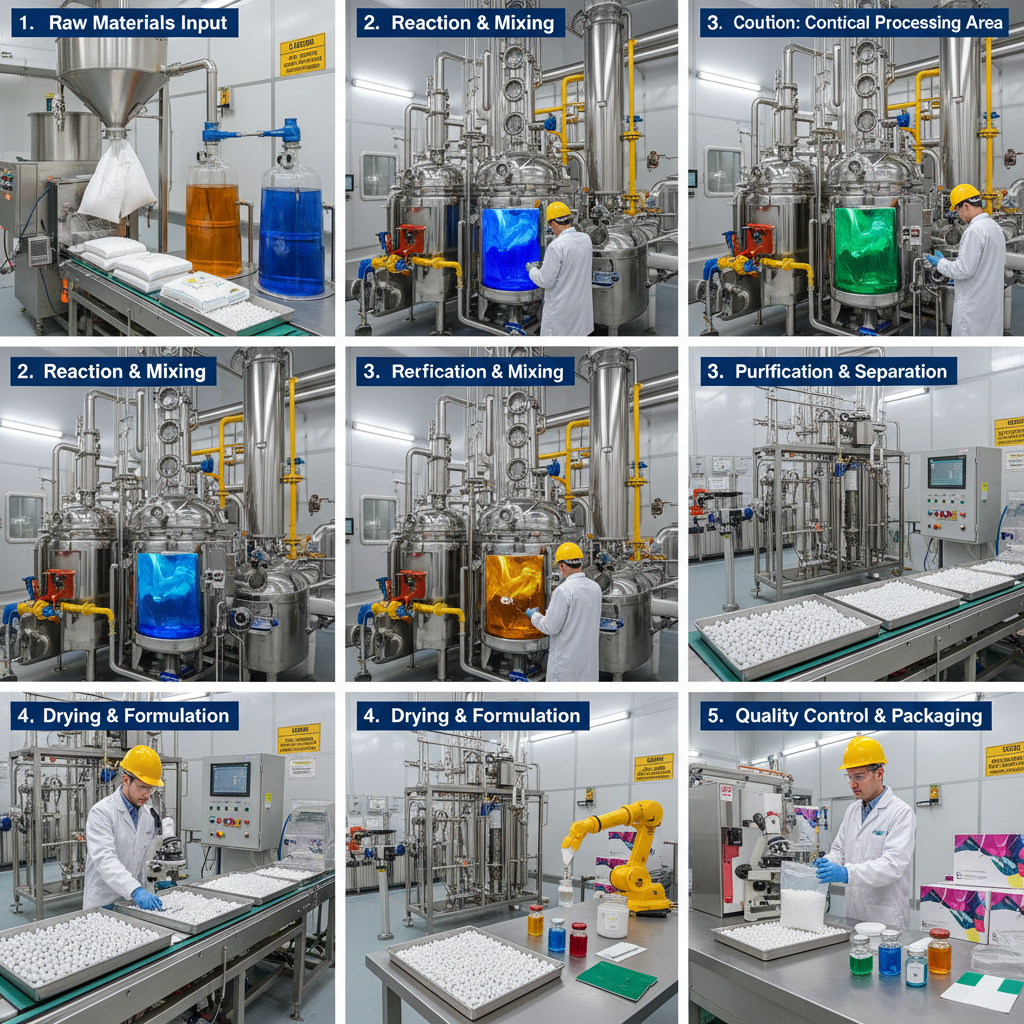
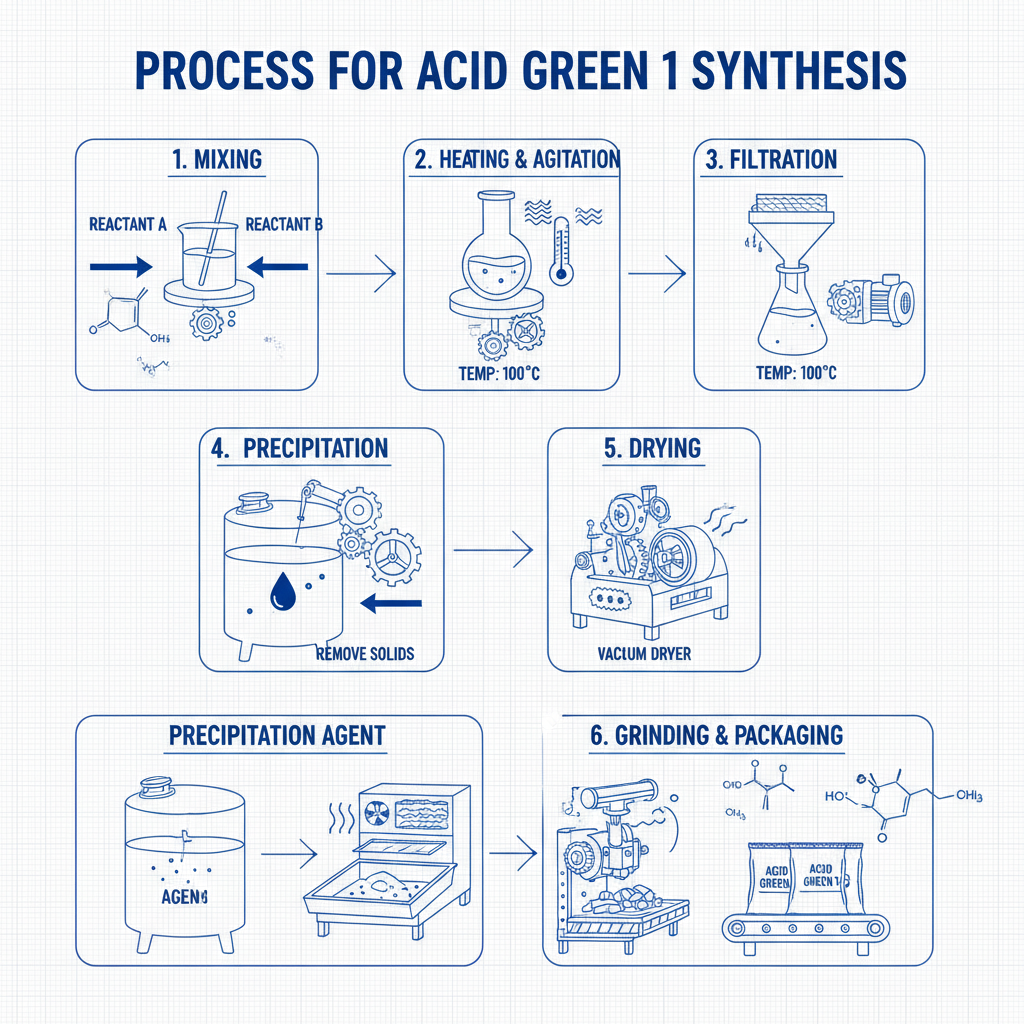
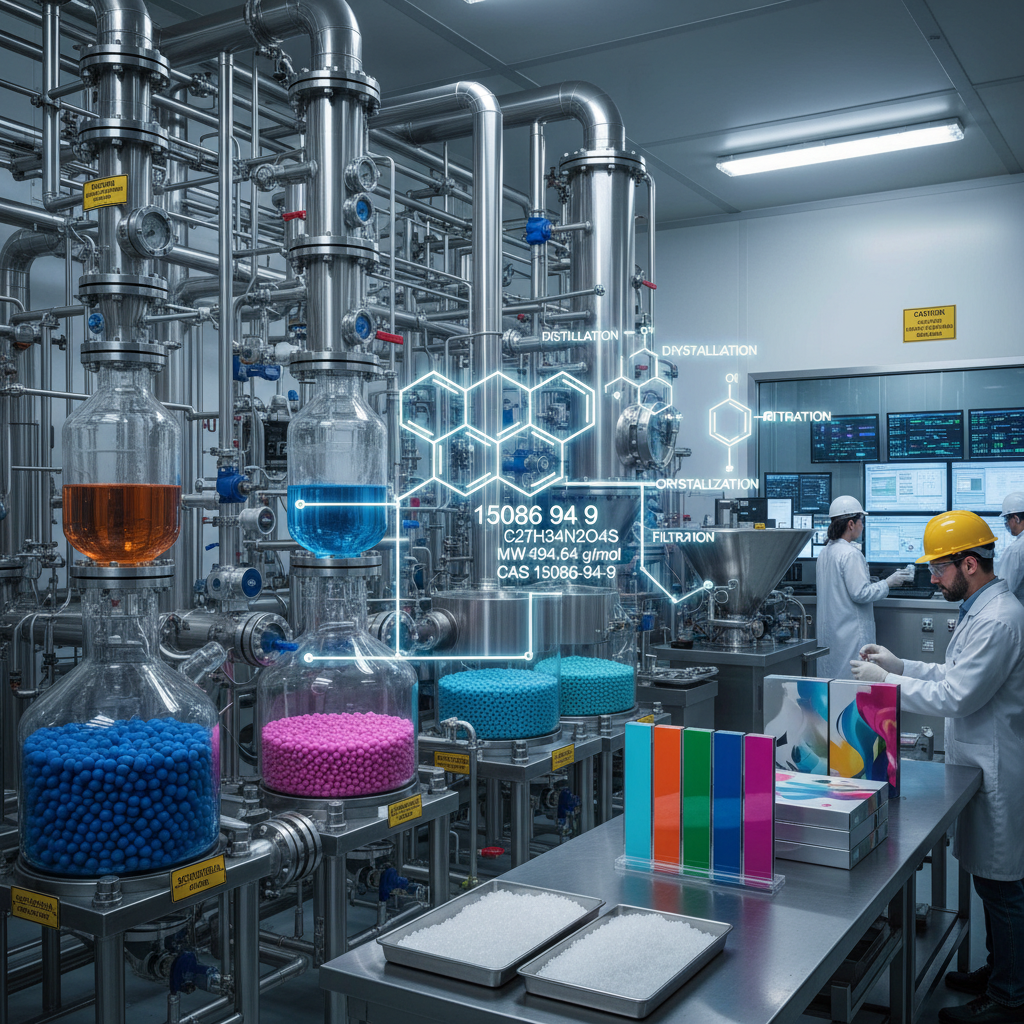
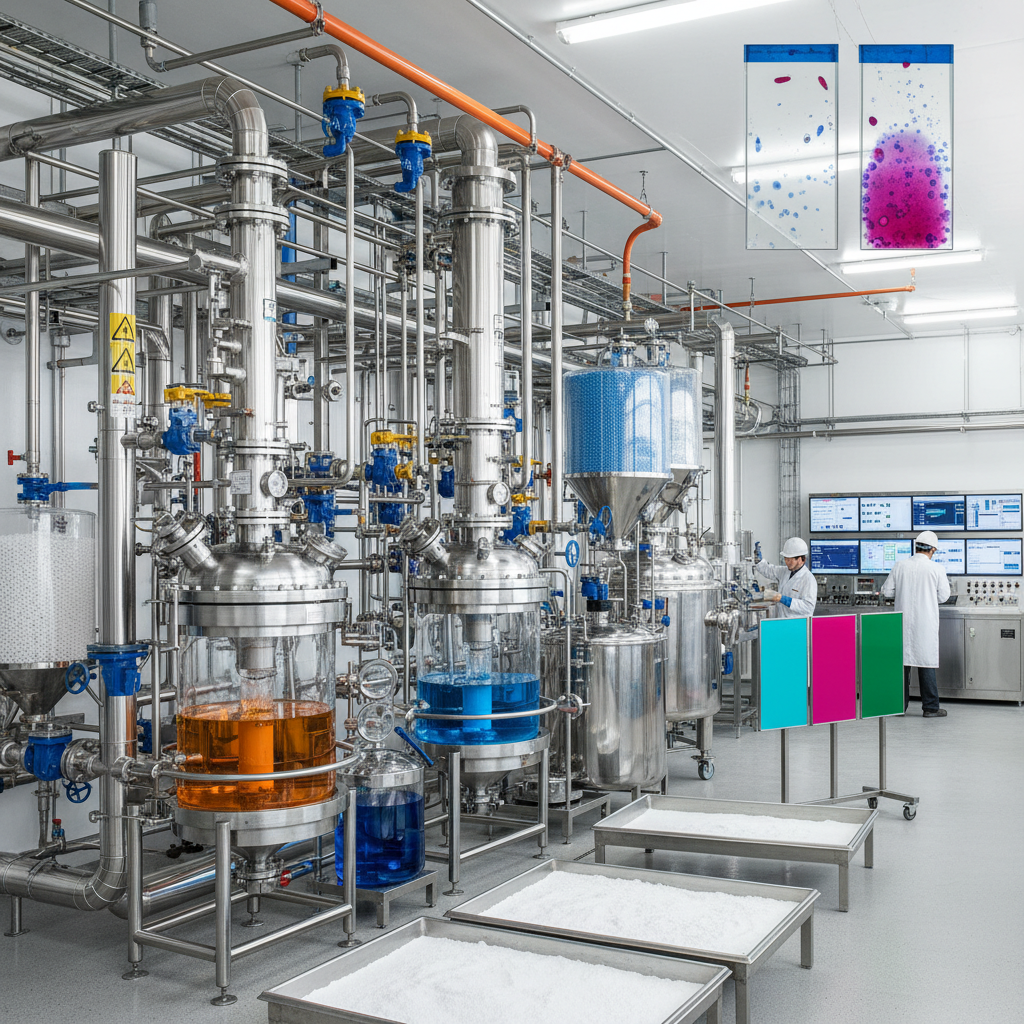
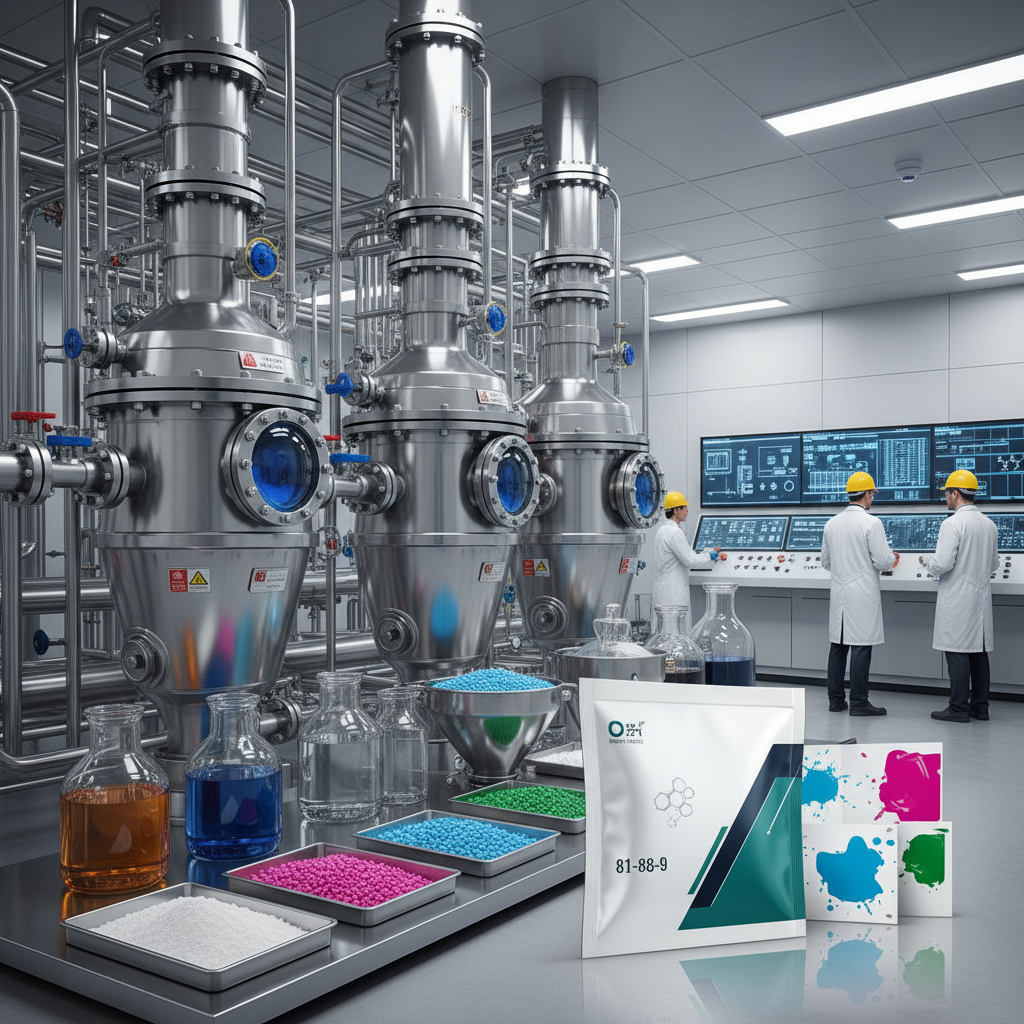
The synthesis of high-purity chiral phase transfer catalyst involves a meticulously controlled multi-step process, ensuring the desired enantioselectivity and catalytic efficiency. This section outlines a general manufacturing flow, drawing on common methodologies for phosphonium-based CPTCs.
R3P + R'X → [R3PR']+X- (e.g., P(C6H5)3 + CH3(CH2)3Br → [(C6H5)3P(CH2)3CH3]+Br-)
Our manufacturing processes are compliant with ISO 14001 environmental management standards, emphasizing solvent recycling and waste minimization. The target industries for these advanced catalysts include pharmaceuticals, agrochemicals, and specialized fine chemical synthesis. CPTCs offer advantages such as energy saving through room temperature reactions and enhanced corrosion resistance by avoiding strong acids/bases in some applications. The typical service life of our catalysts, when stored correctly, exceeds 3 years.
The global market for chiral catalysts is experiencing robust growth, driven by increasing demand for enantiomerically pure intermediates in the pharmaceutical and agricultural sectors. Projections indicate the market will reach approximately USD 6.5 billion by 2028, with a compound annual growth rate (CAGR) of over 8%. Key trends include:
These trends underscore the critical role of innovation in CPTC design and application to meet the evolving demands of various high-value industries.
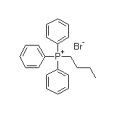
Butyl Triphenyl Phosphonium Bromide, a prominent example of a phosphonium-based phase transfer catalyst, is highly valued for its versatility in various organic syntheses. While primarily an achiral PTC, it forms the foundational structure upon which many advanced chiral phase transfer catalyst systems are built, either through direct chiral modification or as a component in a chiral catalytic cycle.
This product, while achiral itself, serves as a versatile building block and common reagent in many organic syntheses, including Wittig reactions and as a precursor for the synthesis of more complex, specifically designed chiral phase transfer catalyst systems. Its high purity and consistent quality ensure reliable performance in industrial applications.
Chiral phase transfer catalyst systems offer unparalleled advantages in a multitude of synthetic applications, particularly where stereochemical control is paramount.
These advantages position CPTCs as a superior choice for advanced synthetic challenges requiring precise control over molecular architecture.
Choosing the right supplier for chiral phase transfer catalyst is critical for ensuring consistent product quality, reliable supply, and expert support. While many suppliers exist, differentiation often comes down to specific capabilities and commitments.
Our commitment to quality, robust R&D capabilities, and comprehensive customer support positions us as a leading partner for your chiral synthesis needs. We have partnered with over 50 clients globally in the last 15 years, consistently delivering high-quality phosphonium salts and derivatives.
Recognizing that every project has unique requirements, we offer extensive customization services for chiral phase transfer catalyst systems. Our expert chemists work directly with clients to design, synthesize, and optimize CPTCs for specific reactions and desired enantiomeric outcomes.
Client: Leading Global Pharmaceutical Company (Tier 1)
Challenge: The client required a highly enantioselective and scalable method for the asymmetric α-alkylation of a ketone, a crucial step in the synthesis of a novel anti-inflammatory drug candidate. Existing methods involved stoichiometric chiral auxiliaries, leading to high cost and significant waste.
Solution: Our team collaborated closely with the client's R&D department. Based on initial screening, we proposed a novel cinchona alkaloid-derived phosphonium salt as a CPTC. Through iterative design and optimization, we customized the catalyst's structure, focusing on steric and electronic properties of the chiral moiety.
Results:
Client Feedback: "MoneideChem's expertise in chiral catalysis and their dedicated support were instrumental in overcoming a critical bottleneck in our drug synthesis. The customized PTC solution not only met our stringent purity requirements but also significantly improved the process's economic and environmental profile." - Head of Process Chemistry, Pharma Inc.
A: An achiral phase transfer catalyst facilitates reactions between immiscible phases without influencing the stereochemistry of the product. A chiral phase transfer catalyst, however, incorporates a chiral moiety that induces asymmetry in the reaction, leading to the preferential formation of one enantiomer over the other, achieving enantioselective synthesis. A: Selection depends on the type of reaction, the substrate's functional groups, and the desired enantioselectivity. Our technical support team provides expert consultation, starting with a review of your reaction conditions and desired outcome. We can suggest standard catalysts or develop a customized solution tailored to your needs. A: For in-stock standard products, lead time is typically 3-7 business days from order confirmation to shipment. For custom synthesis or large-volume orders, lead times are quoted individually based on complexity and quantity, generally ranging from 4-12 weeks. We utilize robust supply chain management to ensure timely and reliable delivery. A: All our products are guaranteed to meet the specified purity and quality standards as per their Certificate of Analysis for a period of 12 months from the date of shipment, provided they are stored under recommended conditions. We offer comprehensive after-sales support, including troubleshooting assistance, reaction optimization guidance, and detailed analytical support from our team of experienced chemists. A: The recyclability of CPTCs depends on their specific design and the reaction conditions. Many of our solid-supported or highly stable CPTCs can be recovered and reused, contributing to their green chemistry profile and economic efficiency. We provide guidance on catalyst recovery methods where applicable, and our R&D team can design catalysts with enhanced recyclability.Introduction to Chiral Phase Transfer Catalysis
Manufacturing Process of Chiral Phase Transfer Catalysts
Process Flow Schematic:
Industry Trends and Market Insights for Chiral Catalysis
Technical Specifications: Butyl Triphenyl Phosphonium Bromide
Product Specification Table: Butyl Triphenyl Phosphonium Bromide
Parameter
Specification
Method
CAS No.
1779-51-7
Standard Reference
Molecular Formula
C22H24BrP
Elemental Analysis
Molecular Weight
411.30 g/mol
Calculated
Гадаад төрх
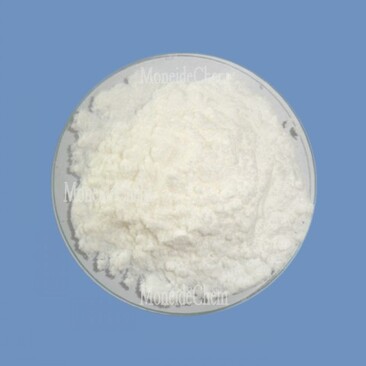
White to off-white crystalline powder
Visual Inspection
Purity (HPLC)
≥ 99.0%
USP/EP Compliant HPLC
Water Content (Karl Fischer)
≤ 0.5%
ASTM D1364
Melting Point
230-234 °C
DSC
Solubility
Soluble in DCM, CHCl3, DMF, DMSO. Sparingly soluble in water.
Empirical Testing
Application Scenarios and Technical Advantages
Key Application Areas:
Technical Advantages:
Vendor Comparison: Key Differentiators in Chiral PTC Supply
Comparison Metrics for Chiral PTC Providers:
Feature
MoneideChem (Our Offering)
Typical Competitor A
Typical Competitor B
Product Purity (ee)
≥98% ee (customizable to >99.5%)
≥95% ee
≥90% ee
Manufacturing Certifications
ISO 9001:2015, ISO 14001:2015
ISO 9001:2008
Basic QC
Custom Synthesis Capability
Extensive, fully supported R&D team
Limited, for bulk orders only
None
Technical Support
Dedicated chemists, application specialists
Email support only
Basic product data sheets
Lead Time for Standard Products
3-7 business days (ex-stock)
7-14 business days
Variable, 2-4 weeks
Packaging Options
Customizable from grams to metric tons
Standard sizes (kg drums)
Small lab packs only
Customer Feedback (e.g., Reliability)
Excellent, long-term partnerships
Good for standard items
Inconsistent for complex orders
Customized Solutions and Application Case Studies
Customization Capabilities:
Application Case Study: Asymmetric Synthesis of a Pharmaceutical Intermediate
Frequently Asked Questions (FAQ)
Q: What is the primary difference between a chiral and an achiral phase transfer catalyst?
Q: How do I select the right CPTC for my specific reaction?
Q: What are your typical lead times and fulfillment processes?
Q: What warranty and after-sales support do you offer?
Q: Can your CPTCs be recycled or reused?
Authoritative References
Moneide Chemicals
Tel: 0086-315-8309571
WhatsApp/WeChat/Mobile: 0086-15633399667
Skype: janet-honest
Mail: sales@moneidechem.com
Address: 2-7-523 Jidong Building Materials Commercial Center, Tangshan, Hebei 064000 China
Chiral Phase Transfer Catalysts: Precision & Green Synthesis
- Time of issue:9-р сар . 08, 2025 16:38
(Summary description)Tangshan Moneide Trading Co., Ltd. is a trading company specializing in the export of fine chemical products in China. Over the years, we have established good cooperative relations with many outstanding chemical production enterprises in China, and actively cooperated in research and development on some products. Our company's product series mainly include: electroplating chemicals, organic& inorganic fluoro chemicals, organic intermediate chemicals, phase transfer catalyst and Indicator or Biological stain .
- Categories:Company dynamic
- Author:
- Origin:
- Time of issue:2019-12-30 10:55
- Views:
In the dynamic field of synthetic organic chemistry, the demand for highly selective and efficient methodologies is paramount. Chiral phase transfer catalyst (CPTC) systems represent a cornerstone technology, enabling the synthesis of enantiomerically enriched compounds under mild and environmentally benign conditions. These catalysts facilitate reactions between substrates located in immiscible phases, often aqueous and organic, by transporting one reactant into the other phase. The "chiral" aspect introduces stereoselectivity, which is critical for pharmaceuticals, agrochemicals, and fine chemical production where specific enantiomers can have vastly different biological activities.
The development of CPTCs has revolutionized asymmetric synthesis, offering a powerful alternative to traditional methods that often require expensive chiral auxiliaries, stoichiometric reagents, or cryogenic temperatures. Our focus is on advanced phosphonium salt-based CPTCs, exemplified by compounds like Butyl Triphenyl Phosphonium Bromide, which serve as versatile platforms for a wide range of transformations, including asymmetric alkylations, additions, and cyclizations. These catalysts embody the principles of phase transfer catalyst in green chemistry, minimizing solvent usage and promoting atom economy.
The synthesis of high-purity chiral phase transfer catalyst involves a meticulously controlled multi-step process, ensuring the desired enantioselectivity and catalytic efficiency. This section outlines a general manufacturing flow, drawing on common methodologies for phosphonium-based CPTCs.
R3P + R'X → [R3PR']+X- (e.g., P(C6H5)3 + CH3(CH2)3Br → [(C6H5)3P(CH2)3CH3]+Br-)
Our manufacturing processes are compliant with ISO 14001 environmental management standards, emphasizing solvent recycling and waste minimization. The target industries for these advanced catalysts include pharmaceuticals, agrochemicals, and specialized fine chemical synthesis. CPTCs offer advantages such as energy saving through room temperature reactions and enhanced corrosion resistance by avoiding strong acids/bases in some applications. The typical service life of our catalysts, when stored correctly, exceeds 3 years.
The global market for chiral catalysts is experiencing robust growth, driven by increasing demand for enantiomerically pure intermediates in the pharmaceutical and agricultural sectors. Projections indicate the market will reach approximately USD 6.5 billion by 2028, with a compound annual growth rate (CAGR) of over 8%. Key trends include:
These trends underscore the critical role of innovation in CPTC design and application to meet the evolving demands of various high-value industries.
Butyl Triphenyl Phosphonium Bromide, a prominent example of a phosphonium-based phase transfer catalyst, is highly valued for its versatility in various organic syntheses. While primarily an achiral PTC, it forms the foundational structure upon which many advanced chiral phase transfer catalyst systems are built, either through direct chiral modification or as a component in a chiral catalytic cycle.
This product, while achiral itself, serves as a versatile building block and common reagent in many organic syntheses, including Wittig reactions and as a precursor for the synthesis of more complex, specifically designed chiral phase transfer catalyst systems. Its high purity and consistent quality ensure reliable performance in industrial applications.
Chiral phase transfer catalyst systems offer unparalleled advantages in a multitude of synthetic applications, particularly where stereochemical control is paramount.
These advantages position CPTCs as a superior choice for advanced synthetic challenges requiring precise control over molecular architecture.
Choosing the right supplier for chiral phase transfer catalyst is critical for ensuring consistent product quality, reliable supply, and expert support. While many suppliers exist, differentiation often comes down to specific capabilities and commitments.
Our commitment to quality, robust R&D capabilities, and comprehensive customer support positions us as a leading partner for your chiral synthesis needs. We have partnered with over 50 clients globally in the last 15 years, consistently delivering high-quality phosphonium salts and derivatives.
Recognizing that every project has unique requirements, we offer extensive customization services for chiral phase transfer catalyst systems. Our expert chemists work directly with clients to design, synthesize, and optimize CPTCs for specific reactions and desired enantiomeric outcomes.
Client: Leading Global Pharmaceutical Company (Tier 1)
Challenge: The client required a highly enantioselective and scalable method for the asymmetric α-alkylation of a ketone, a crucial step in the synthesis of a novel anti-inflammatory drug candidate. Existing methods involved stoichiometric chiral auxiliaries, leading to high cost and significant waste.
Solution: Our team collaborated closely with the client's R&D department. Based on initial screening, we proposed a novel cinchona alkaloid-derived phosphonium salt as a CPTC. Through iterative design and optimization, we customized the catalyst's structure, focusing on steric and electronic properties of the chiral moiety.
Results:
Client Feedback: "MoneideChem's expertise in chiral catalysis and their dedicated support were instrumental in overcoming a critical bottleneck in our drug synthesis. The customized PTC solution not only met our stringent purity requirements but also significantly improved the process's economic and environmental profile." - Head of Process Chemistry, Pharma Inc.
A: An achiral phase transfer catalyst facilitates reactions between immiscible phases without influencing the stereochemistry of the product. A chiral phase transfer catalyst, however, incorporates a chiral moiety that induces asymmetry in the reaction, leading to the preferential formation of one enantiomer over the other, achieving enantioselective synthesis. A: Selection depends on the type of reaction, the substrate's functional groups, and the desired enantioselectivity. Our technical support team provides expert consultation, starting with a review of your reaction conditions and desired outcome. We can suggest standard catalysts or develop a customized solution tailored to your needs. A: For in-stock standard products, lead time is typically 3-7 business days from order confirmation to shipment. For custom synthesis or large-volume orders, lead times are quoted individually based on complexity and quantity, generally ranging from 4-12 weeks. We utilize robust supply chain management to ensure timely and reliable delivery. A: All our products are guaranteed to meet the specified purity and quality standards as per their Certificate of Analysis for a period of 12 months from the date of shipment, provided they are stored under recommended conditions. We offer comprehensive after-sales support, including troubleshooting assistance, reaction optimization guidance, and detailed analytical support from our team of experienced chemists. A: The recyclability of CPTCs depends on their specific design and the reaction conditions. Many of our solid-supported or highly stable CPTCs can be recovered and reused, contributing to their green chemistry profile and economic efficiency. We provide guidance on catalyst recovery methods where applicable, and our R&D team can design catalysts with enhanced recyclability.Introduction to Chiral Phase Transfer Catalysis
Manufacturing Process of Chiral Phase Transfer Catalysts
Process Flow Schematic:
Industry Trends and Market Insights for Chiral Catalysis
Technical Specifications: Butyl Triphenyl Phosphonium Bromide
Product Specification Table: Butyl Triphenyl Phosphonium Bromide
Parameter
Specification
Method
CAS No.
1779-51-7
Standard Reference
Molecular Formula
C22H24BrP
Elemental Analysis
Molecular Weight
411.30 g/mol
Calculated
Гадаад төрх
White to off-white crystalline powder
Visual Inspection
Purity (HPLC)
≥ 99.0%
USP/EP Compliant HPLC
Water Content (Karl Fischer)
≤ 0.5%
ASTM D1364
Melting Point
230-234 °C
DSC
Solubility
Soluble in DCM, CHCl3, DMF, DMSO. Sparingly soluble in water.
Empirical Testing
Application Scenarios and Technical Advantages
Key Application Areas:
Technical Advantages:
Vendor Comparison: Key Differentiators in Chiral PTC Supply
Comparison Metrics for Chiral PTC Providers:
Feature
MoneideChem (Our Offering)
Typical Competitor A
Typical Competitor B
Product Purity (ee)
≥98% ee (customizable to >99.5%)
≥95% ee
≥90% ee
Manufacturing Certifications
ISO 9001:2015, ISO 14001:2015
ISO 9001:2008
Basic QC
Custom Synthesis Capability
Extensive, fully supported R&D team
Limited, for bulk orders only
None
Technical Support
Dedicated chemists, application specialists
Email support only
Basic product data sheets
Lead Time for Standard Products
3-7 business days (ex-stock)
7-14 business days
Variable, 2-4 weeks
Packaging Options
Customizable from grams to metric tons
Standard sizes (kg drums)
Small lab packs only
Customer Feedback (e.g., Reliability)
Excellent, long-term partnerships
Good for standard items
Inconsistent for complex orders
Customized Solutions and Application Case Studies
Customization Capabilities:
Application Case Study: Asymmetric Synthesis of a Pharmaceutical Intermediate
Frequently Asked Questions (FAQ)
Q: What is the primary difference between a chiral and an achiral phase transfer catalyst?
Q: How do I select the right CPTC for my specific reaction?
Q: What are your typical lead times and fulfillment processes?
Q: What warranty and after-sales support do you offer?
Q: Can your CPTCs be recycled or reused?
Authoritative References

Moneide Chemicals


