Welcome to Tangshan Moneide Trading Co., Ltd.






Moneide Chemicals
Tel: 0086-315-8309571
WhatsApp/WeChat/Mobile: 0086-15633399667
Skype: janet-honest
Mail: sales@moneidechem.com
Address: 2-7-523 Jidong Building Materials Commercial Center, Tangshan, Hebei 064000 China
Applications and Properties of xylenol orange tetrasodium salt
- Time of issue:Apr . 16, 2026 02:35
(Summary description)Tangshan Moneide Trading Co., Ltd. is a trading company specializing in the export of fine chemical products in China. Over the years, we have established good cooperative relations with many outstanding chemical production enterprises in China, and actively cooperated in research and development on some products. Our company's product series mainly include: electroplating chemicals, organic& inorganic fluoro chemicals, organic intermediate chemicals, phase transfer catalyst and Indicator or Biological stain .
- Categories:Company dynamic
- Author:
- Origin:
- Time of issue:2019-12-30 10:55
- Views:
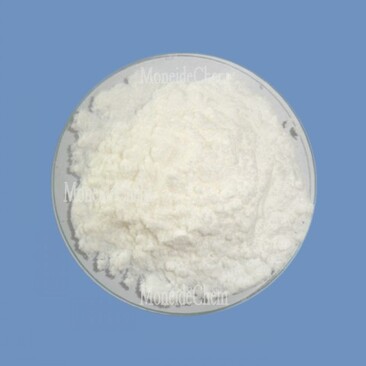
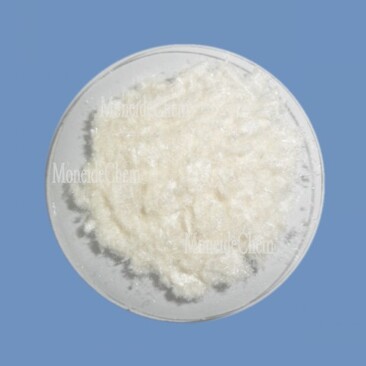
In the realm of analytical chemistry, precision is everything. xylenol orange tetrasodium salt serves as a critical tool for researchers and laboratory technicians worldwide. As a highly sensitive metallochromic indicator, it is indispensable for the detection and titration of various metal ions. Whether used in environmental monitoring or pharmaceutical quality control, this chemical compound provides clear, visible results that ensure accuracy. In this comprehensive guide, we will explore the chemical nature, practical applications, and the technical specifications of this essential reagent to help you optimize your laboratory workflows. The efficacy of xylenol orange tetrasodium salt lies in its ability to undergo a distinct color change upon complexing with metal ions. In an acidic environment, the indicator typically appears yellow. However, when it binds with trivalent metal ions—such as Aluminum (Al³⁺), Indium (In³⁺), or Gallium (Ga³⁺)—the complex shifts to a deep red or violet hue. This sharp transition allows scientists to determine the endpoint of a titration with extreme precision. The solubility of the tetrasodium salt form makes it particularly advantageous for creating aqueous solutions without the need for organic solvents, simplifying the preparation process in high-throughput labs. The versatility of xylenol orange tetrasodium salt extends across multiple scientific disciplines. In water treatment plants, it is frequently employed to monitor the concentration of heavy metals, ensuring that effluent meets safety standards. In the pharmaceutical industry, it helps in the analysis of metal impurities in raw materials, which is vital for drug safety. Furthermore, it is a staple in educational chemistry for demonstrating complexometric titrations. Its high sensitivity ensures that even trace amounts of metal ions can be detected, making it a preferred choice for high-sensitivity assays. Industry Use-Cases: Used extensively in soil analysis for trace element detection, biochemical research for ion-exchange studies, and industrial metallurgy for purity testing of rare earth elements. To ensure the reproducibility of experimental results, utilizing a reagent with standardized specifications is mandatory. The xylenol orange tetrasodium salt provided by professional suppliers is characterized by high purity and consistent molecular weight. This minimizes interference during titration and prevents false-positive results. Below is the detailed product specification table for laboratory reference: When choosing between indicators, the choice often depends on the specific metal ion being targeted and the pH of the solution. While Eriochrome Black T is common for Magnesium and Calcium, xylenol orange tetrasodium salt is superior for trivalent ions in acidic media. The color contrast of Xylenol Orange is often sharper, reducing human error during the reading of the endpoint. The following table highlights the comparative advantages: To maintain the integrity of xylenol orange tetrasodium salt, proper storage is essential. The compound is sensitive to light and moisture, which can lead to degradation and a loss of sensitivity. It should be stored in amber glass bottles or opaque containers, tightly sealed, in a cool and dry environment. When handling the powder, laboratory personnel should wear standard PPE, including gloves and goggles, to prevent skin irritation. Following these protocols ensures that the reagent remains stable for long-term use, reducing waste and maintaining the consistency of analytical data. Choosing a high-purity xylenol orange tetrasodium salt is a fundamental step in ensuring the validity of your chemical analysis. From its specialized sensitivity to trivalent ions to its ease of use in aqueous solutions, it remains a cornerstone of complexometric titration. By adhering to correct storage and handling procedures, laboratories can maximize the efficiency and accuracy of their metal detection processes. For those seeking professional-grade chemical reagents, partnering with a trusted supplier ensures that your research is backed by quality and reliability. To prepare the solution, dissolve the required amount of xylenol orange tetrasodium salt in distilled or deionized water. For a standard 0.1% (w/v) solution, dissolve 1 gram of the powder in 1 liter of water. It is important to stir the mixture thoroughly until the powder is completely dissolved. Because the reagent is light-sensitive, the resulting solution should be stored in a dark bottle and used within a reasonable timeframe to avoid degradation. Always check the pH of your sample before adding the indicator, as the color change is pH-dependent. The tetrasodium salt form of xylenol orange is highly preferred due to its superior water solubility. Other forms of the indicator may require the use of organic solvents or alkaline adjustments to dissolve properly, which can interfere with the acidic conditions required for the titration of trivalent metals. By using the tetrasodium salt, researchers can create stable aqueous solutions quickly and efficiently. This streamlines the preparation process and ensures that the indicator does not introduce unwanted contaminants into the sample, thereby maintaining a higher level of analytical purity. If you notice a sluggish or vague color transition during titration, the most common cause is an incorrect pH level. xylenol orange tetrasodium salt requires a specific acidic range (typically between pH 2 and 6) to function optimally. If the solution is too basic or too acidic, the color change may be muted or nonexistent. We recommend using a calibrated pH meter to adjust your sample. Additionally, ensure that the reagent has not expired or been exposed to excessive light, as degraded indicators often fail to produce a sharp endpoint. Using fresh, high-purity reagents from a reputable source is key to solving this issue.Understanding Xylenol Orange Tetrasodium Salt: Applications and Properties

Chemical Mechanism of Xylenol Orange Tetrasodium Salt
Key Applications of Xylenol Orange in Modern Labs
Technical Specifications for Xylenol Orange Tetrasodium Salt
Comparing Xylenol Orange with Other Indicators
Handling and Storage Guidelines for Lab Safety
Conclusion: The Value of High-Quality Chemical Reagents
Frequently Asked Questions (FAQs)
How do I prepare a solution with xylenol orange tetrasodium salt?
Why is the tetrasodium salt form preferred over other forms?
What should I do if the color change is not sharp?
This is the first article




Moneide Chemicals


