Welina mai iā Tangshan Moneide Trading Co., Ltd.





Moneide Chemicals
Tel: 0086-315-8309571
WhatsApp/WeChat/Mobile: 0086-15633399667
Skype: janet-honest
Leka: sales@moneidechem.com
Address: 2-7-523 Jidong Building Materials Commercial Center, Tangshan, Hebei 064000 China
Sodium Diethyldithiocarbamate Trihydrate Supplier | High Purity
- Time of issue:Sep . 04, 2025 19:09
(Summary description)Tangshan Moneide Trading Co., Ltd. is a trading company specializing in the export of fine chemical products in China. Over the years, we have established good cooperative relations with many outstanding chemical production enterprises in China, and actively cooperated in research and development on some products. Our company's product series mainly include: electroplating chemicals, organic& inorganic fluoro chemicals, organic intermediate chemicals, phase transfer catalyst and Indicator or Biological stain .
- Categories:Company dynamic
- Author:
- Origin:
- Time of issue:2019-12-30 10:55
- Views:
In the complex landscape of modern industrial chemistry, the demand for highly efficient and versatile chelating agents is ever-growing. Among these,
sodium diethyldithiocarbamate trihydrate
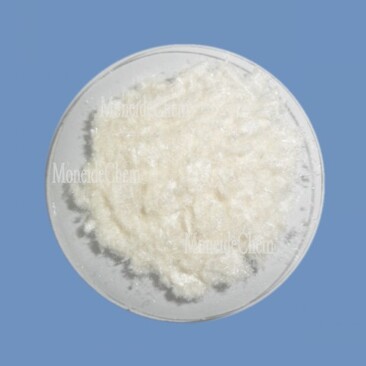
stands out as a pivotal compound, renowned for its exceptional capacity to form stable complexes with a wide array of heavy metal ions. This trihydrate form offers enhanced stability and ease of handling compared to its anhydrous counterpart, sodium diethyldithiocarbamate. With its CAS number 20624-25-3, this chemical entity is not merely a reagent but a strategic solution deployed across critical sectors such as environmental protection, metallurgy, and advanced material synthesis. Its multifaceted utility stems from its robust chemical structure, enabling precise control over various industrial processes, from effluent detoxification to catalytic reactions.
This article delves into the comprehensive aspects of this essential compound, exploring its manufacturing intricacies, technical specifications, diverse application scenarios, and the compelling advantages it offers. We aim to provide B2B decision-makers and technical engineers with a thorough understanding, bolstered by industry data, expert insights, and practical case studies, ensuring an informed perspective on leveraging this powerful chemical for operational excellence and environmental compliance.
The global market for dithiocarbamate derivatives, including sodium diethyldithiocarbamate trihydrate, is experiencing steady growth, driven primarily by stringent environmental regulations concerning heavy metal discharge and the expanding needs of the mining and rubber industries. Projections indicate a compound annual growth rate (CAGR) in the range of 4-6% for heavy metal chelating agents over the next five years, fueled by industrialization in emerging economies and increasing awareness of water quality.
Technological advancements are also fostering the development of more sustainable and cost-effective synthesis routes, alongside enhanced product purity and customized formulations to meet specific industrial requirements. This trend underscores the importance of reliable, high-quality suppliers in the supply chain.
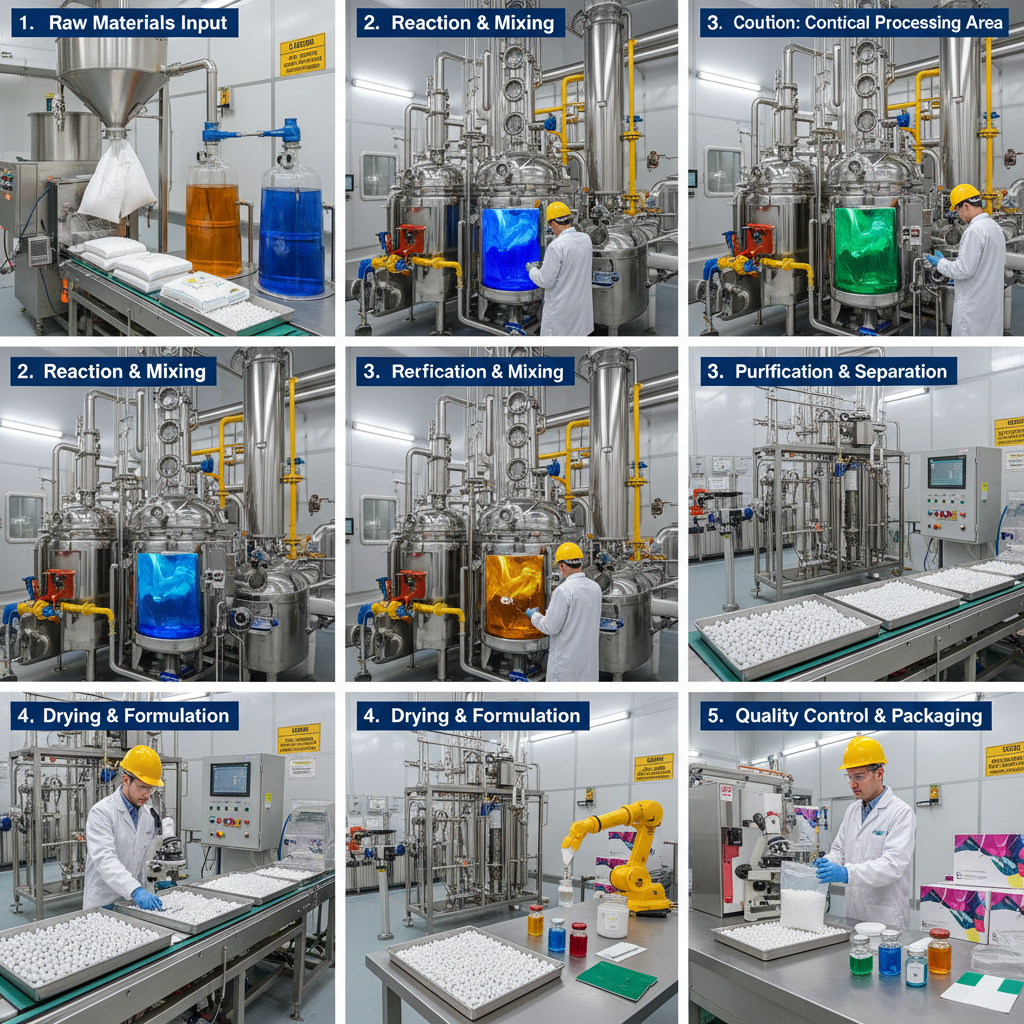
The synthesis of sodium diethyldithiocarbamate trihydrate (C5H10NNaS2·3H2O) is a well-established chemical process, rooted in the reaction of diethylamine, carbon disulfide, and a sodium base. The process is critical in ensuring the high purity and consistent quality essential for its industrial applications. Adherence to stringent manufacturing protocols and quality control measures is paramount.
The robust manufacturing process ensures that the resulting sodium diethyldithiocarbamate trihydrate exhibits excellent stability, high purity, and consistent performance, making it suitable for demanding industrial applications in target industries like petrochemical, metallurgy, and water supply & drainage. The emphasis on quality at each stage guarantees energy-saving efficiency and superior corrosion resistance when deployed in appropriate scenarios.
The efficacy of sodium diethyldithiocarbamate trihydrate in industrial applications is underpinned by its precise technical specifications. Understanding these parameters is crucial for optimal selection and deployment, especially for engineers and procurement specialists dealing with stringent performance requirements.
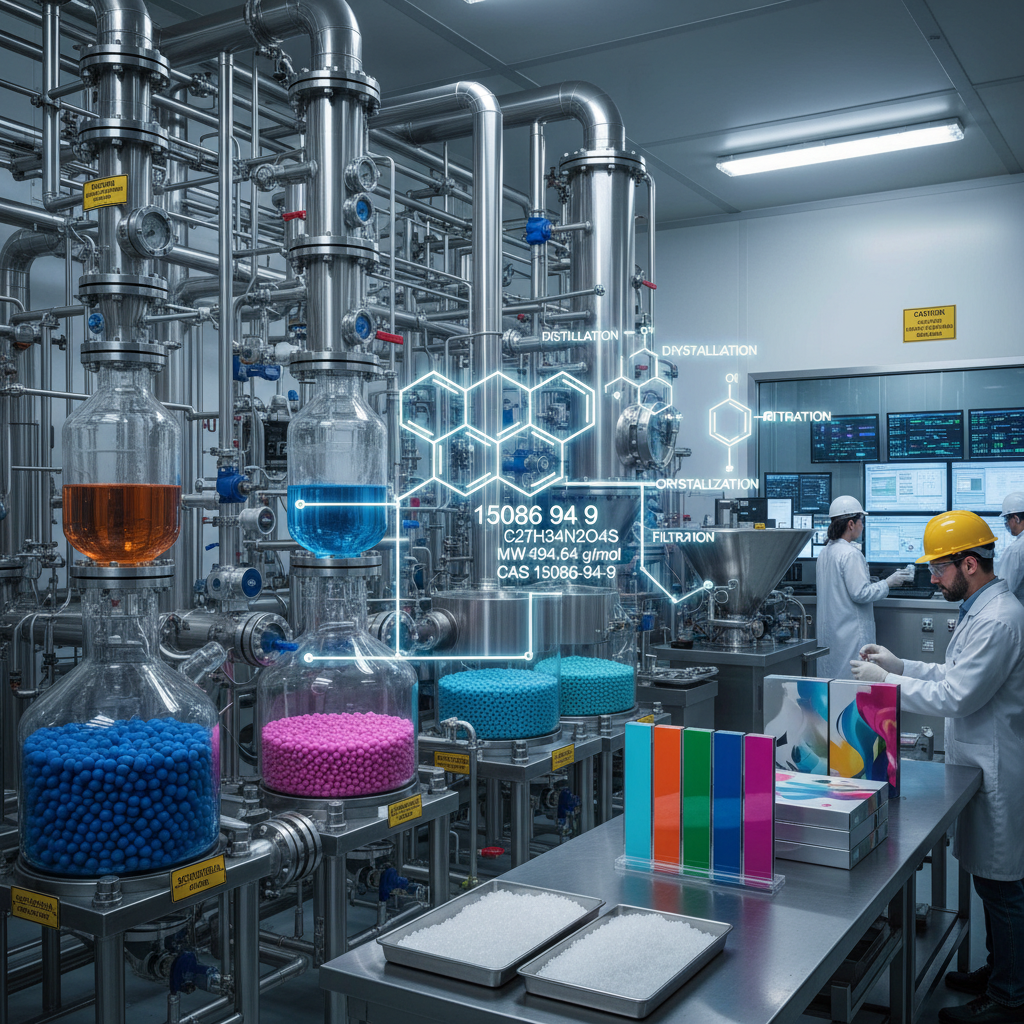
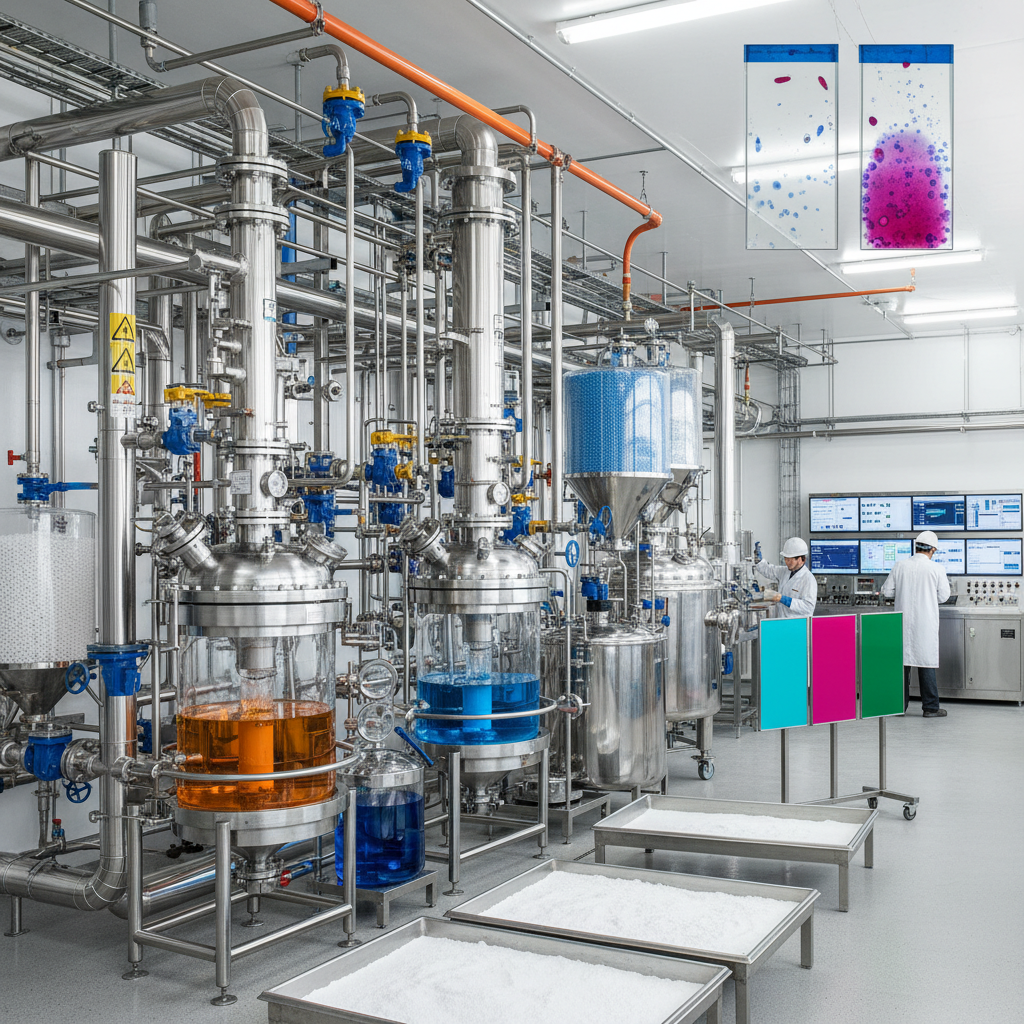
Visual representation of quality control in the production of sodium diethyldithiocarbamate trihydrate.
These specifications ensure that sodium diethyldithiocarbamate trihydrate from reputable manufacturers consistently delivers high performance, critical for applications where reliability and purity are non-negotiable. Certifications like ISO 9001 and REACH compliance further affirm the authoritativeness and trustworthiness of the product's quality.
The versatility of sodium diethyldithiocarbamate trihydrate makes it an indispensable chemical in numerous industrial sectors. Its powerful chelating capabilities are central to its broad utility, addressing critical challenges from environmental protection to material science.
These diverse applications underscore its critical role in facilitating efficient and environmentally responsible industrial operations globally. The compound's robust performance translates directly into economic advantages and enhanced operational sustainability for end-users.
The selection of sodium diethyldithiocarbamate trihydrate over alternative compounds is often driven by its distinct technical advantages and the tangible performance benefits it delivers across various industrial applications.
These advantages collectively contribute to operational efficiency, cost reduction, and environmental stewardship, positioning sodium diethyldithiocarbamate trihydrate as a preferred choice for discerning industrial clients.
Choosing the right supplier for sodium diethyldithiocarbamate trihydrate is as crucial as understanding the product itself. In a competitive market, focusing on key vendor attributes ensures consistent product quality, reliable supply, and comprehensive support.
Partnerships with vendors exhibiting strong R&D capabilities and a track record of consistent product quality, like those holding an experience of over 15 years in chemical manufacturing and servicing numerous global clients, are invaluable. Such vendors not only supply chemicals but provide solutions, strengthening the trustworthiness of the supply chain.
Recognizing that "one size does not fit all" in complex industrial processes, leading suppliers offer tailored solutions utilizing sodium diethyldithiocarbamate trihydrate. These customizations can significantly enhance efficiency, reduce waste, and optimize performance for specific client needs.
These bespoke solutions highlight a vendor's commitment to partnership and problem-solving, moving beyond mere product supply to truly integrate with a client's operational goals.
The practical effectiveness of sodium diethyldithiocarbamate trihydrate is best illustrated through its successful deployment in various industrial scenarios. These case studies demonstrate its value and the tangible benefits it brings to clients.
An electroplating facility was struggling to meet increasingly strict discharge limits for copper (Cu) and nickel (Ni) in their wastewater, with concentrations often exceeding 5 ppm. Traditional hydroxide precipitation was insufficient, requiring significant pH adjustment and producing large volumes of difficult-to-dewater sludge.
Upon integrating sodium diethyldithiocarbamate trihydrate as a secondary treatment step, dosed at 50 ppm, the facility observed a dramatic reduction in metal concentrations. Copper levels consistently dropped below 0.1 ppm, and nickel below 0.2 ppm, well within regulatory compliance. Furthermore, the generated sludge was more compact and easier to dewater, leading to a 30% reduction in sludge disposal costs. The process also required less pH adjustment, demonstrating significant energy saving and operational simplicity, validating the compound's superior chelating power.
A large-scale copper mining operation faced challenges with low recovery rates of chalcopyrite (copper iron sulfide) in their froth flotation circuits, particularly from complex ore bodies. Existing collectors were not providing optimal selectivity and recovery.
After consulting with a chemical supplier specializing in mining reagents, the mine implemented sodium diethyldithiocarbamate (specifically, the trihydrate form for ease of handling and dissolution) at a controlled dosage of 20 g/ton of ore. This resulted in a measurable increase in copper recovery by 2.5%, translating into substantial economic gains due to the high volume of ore processed. The improved selectivity also led to a higher-grade concentrate, reducing downstream processing costs. This case highlights the experience and technical expertise brought by specialized chemical solutions.
A: The primary difference lies in their hydration state. The trihydrate form (C5H10NNaS2·3H2O, CAS 20624-25-3) contains three molecules of water of crystallization, which generally makes it more stable, easier to handle, and less prone to caking compared to the anhydrous sodium diethyldithiocarbamate, especially in humid environments. Its molecular weight is higher due to the water content. A: When handled according to safety data sheets (SDS) and applied within recommended dosage limits, it is considered safe and highly effective for heavy metal removal in industrial wastewater. Its usage often leads to cleaner water, reducing environmental impact. Proper personal protective equipment (PPE) and ventilation are always recommended. A: It is highly effective in chelating and precipitating a wide range of heavy metals including copper (Cu), nickel (Ni), zinc (Zn), cadmium (Cd), lead (Pb), mercury (Hg), arsenic (As), and chromium (Cr). A: Higher purity translates directly to better performance, especially in sensitive applications. Impurities can reduce chelating efficiency, introduce unwanted side reactions, or affect the stability of the final product. A reputable supplier will provide clear purity specifications and test data.
At Moneidechem, we prioritize not just the quality of our sodium diethyldithiocarbamate trihydrate but also the seamless experience for our B2B clients, from order to post-purchase support. Our commitment to excellence is reflected in our robust operational frameworks.
Strategic Applications of Sodium Diethyldithiocarbamate Trihydrate in Industrial Chemistry
Industry Trends and Market Dynamics for Dithiocarbamates
Manufacturing Process Flow of Sodium Diethyldithiocarbamate Trihydrate
Process Steps:
(C2H5)2NH + CS2 + NaOH --> (C2H5)2NCSSNa + H2O
Technical Specifications and Performance Parameters
Key Physical and Chemical Properties:
Product Specification Table:
Parameter
Typical Specification
Test Method
Purity (as C5H10NNaS2·3H2O)
≥ 98.0%
HPLC
Moisture Content
20.0 - 24.0%
Karl Fischer
pH (1% aqueous solution)
9.0 - 11.0
Electrometric
Heavy Metals (as Pb)
≤ 10 ppm
ICP-MS
Chloride (Cl-)
≤ 0.1%
Titration
Insolubles in Water
≤ 0.05%
Gravimetric
Diverse Application Scenarios
Technical Advantages and Performance Benefits
Vendor Comparison and Selection Criteria
Criterion
wehewehe
Why it Matters for SDDTC Procurement
Product Purity & Consistency
Verifiable purity levels (e.g., >98%) and batch-to-batch consistency.
Ensures optimal performance in critical applications like heavy metal removal; prevents process upsets due to variable quality.
Certifications & Compliance
ISO 9001 (Quality Management), ISO 14001 (Environmental Management), REACH registration, FDA compliance (if applicable).
Demonstrates authoritativeness, commitment to quality, and adherence to international regulatory standards, building trustworthiness.
Technical Support & Expertise
Availability of technical specialists for application guidance, troubleshooting, and optimization.
Critical for maximizing product efficiency and solving complex industrial challenges, reflecting vendor's expertise and experience.
Supply Chain Reliability & Lead Time
Robust global logistics, transparent lead times, and contingency planning.
Guarantees continuous operation without stockouts, crucial for high-volume industrial processes.
Customization Capabilities
Ability to offer tailored purity, particle size, or packaging solutions.
Addresses specific, unique operational requirements and optimizes chemical usage for niche applications.
Cost-Effectiveness & Value
Competitive pricing alongside high quality and comprehensive service.
Ensures a strong return on investment, considering total cost of ownership rather than just initial purchase price.
Customized Solutions with Sodium Diethyldithiocarbamate Trihydrate
Application Case Studies: Real-World Impact
Case Study 1: Heavy Metal Removal in Electroplating Wastewater
Case Study 2: Enhancing Flotation Efficiency in a Copper Mine
Frequently Asked Questions (FAQ) about Sodium Diethyldithiocarbamate Trihydrate
Q: What is the primary difference between sodium diethyldithiocarbamate and sodium diethyldithiocarbamate trihydrate?
Q: Is sodium diethyldithiocarbamate trihydrate safe to use in water treatment?
Q: What heavy metals can sodium diethyldithiocarbamate trihydrate effectively remove?
Q: How does the purity of sodium diethyldithiocarbamate trihydrate impact its performance?
Lead Time, Warranty, and Customer Support
Authoritative References


Mea Kimi Moneide


