





Moneide Chemicals
Tel: 86-315-8309571
WhatsApp/WeChat/Mobile: 0086-15633399667
Skype: janet-honest
Mail: sales@moneidechem.com
Adresse: 2-7-523 Jidong Baumaterialien Tangshan, Hebei 064000 China
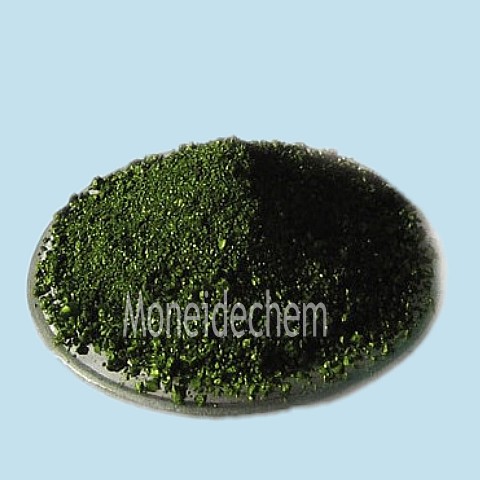
Basic Violet 3, commonly known as crystal violet or gentian violet, is a synthetic triphenylmethane dye with a deep purple color. Its chemical name is hexamethyl pararosaniline chloride, and it functions as a cationic (basic) dye due to its positively charged structure. This dye is highly soluble in water and alcohol, making it versatile for various applications. It exhibits strong staining properties, particularly for cell walls and nucleic acids, which is why it's widely used in microbiology and histology. Additionally, it has antimicrobial effects, particularly against gram-positive bacteria and fungi.
What is the Synonym of Basic Violet 3?
Basic Violet 3 is most commonly referred to as crystal violet or gentian violet. Other synonyms include methyl violet 10B and hexamethyl pararosaniline chloride. In medical and biological contexts, it is often called pyocyanin (e) (particularly in older literature). These names are used interchangeably depending on the application, whether in laboratory staining, antiseptic treatments, or industrial dyeing. The term "gentian violet" is more frequent in medical and pharmaceutical uses, while "crystal violet" is preferred in microbiology and chemistry.
What is Basic Violet 3 used for?
Basic Violet 3 (crystal violet) has diverse applications. In microbiology, it is a key component of the Gram stain, differentiating bacteria by staining Gram-positive cells purple. In medicine, it acts as a topical antiseptic for fungal and bacterial skin infections. It is also used in histology to stain cell nuclei and in textile dyeing for fabrics and inks. Additionally, it serves as a pH indicator and in aquaculture to prevent fungal growth on fish eggs. However, its use in human medicine has declined due to potential carcinogenicity concerns.
What does crystal violet do to skin?
When applied to skin, crystal violet acts as an antiseptic and antifungal agent, commonly used to treat minor cuts, thrush (oral candidiasis), and skin infections like ringworm. It stains the skin a deep purple color, which fades gradually as the dye wears off. Prolonged or excessive use can cause skin irritation, dryness, or chemical burns in sensitive individuals. In rare cases, it may lead to allergic reactions. Due to its potential toxicity, medical professionals now prefer alternative treatments, reserving crystal violet for specific cases where its benefits outweigh risks.
What is the side effect of crystal violet?
The side effects of crystal violet include skin irritation, allergic reactions, and mucosal irritation (if used in the mouth or genitals). Long-term exposure has been linked to potential carcinogenicity, particularly in animal studies, raising concerns about its use in humans. Ingestion can cause nausea, vomiting, and abdominal pain, while eye contact may result in corneal damage. Due to these risks, many countries restrict its use in cosmetics and wound care. Healthcare providers now recommend safer alternatives for most antiseptic and antifungal applications.
Is crystal violet an alcohol?
No, crystal violet is not an alcohol—it is a synthetic dye classified as a triphenylmethane compound. However, it is often dissolved in alcohol (e.g., ethanol or methanol) to create a staining solution or antiseptic preparation. The alcohol acts as a solvent, enhancing its penetration and effectiveness in laboratory and medical uses. While the dye itself is not alcoholic, alcohol-based formulations of crystal violet are common in microbiology labs for Gram staining and in tinctures for topical disinfection.




Moneide Chemicals


